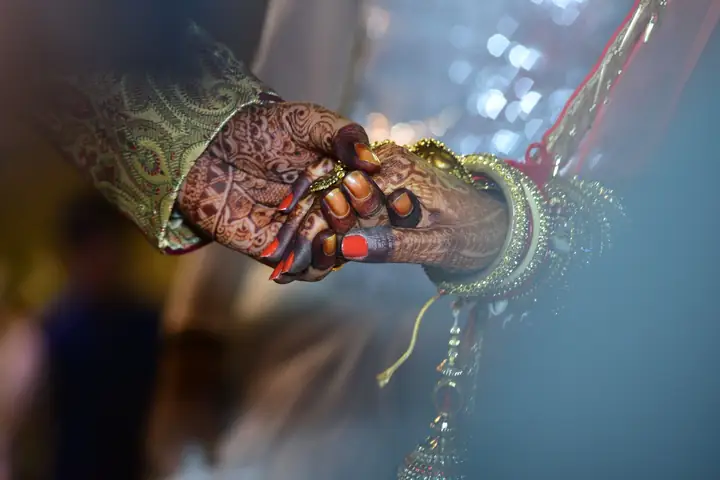
A Pakistani wedding is really three or more events in one week, each with its own mood, guest list and pace. Planning them as one big event is where most problems start. Here’s how to think about each function on its own.
Mehndi: colour, music and lighter food
Mehndi is relaxed and runs late. Guests snack and dance more than they sit and eat, so think about food that holds well over a long evening: chaat, BBQ items, channay with puri and a dessert that people can pick up. Décor is usually bright, with marigolds, lanterns and floor seating for the bride’s side.
Baraat: timing is everything
Baraat is the most formal and the most time-sensitive. The food should be ready when the baraat arrives, not when it was scheduled to arrive, so agree with your caterer how long dishes can be held at the right temperature. Confirm who serves the head table and who looks after the groom’s family.
Walima: hosting the groom’s side
Walima guests often include colleagues and extended family who didn’t attend earlier functions. A seated or semi-seated setup works well, with a menu that feels complete: a main curry, rice, BBQ or roast, salad, naan and two desserts is a common pattern.
Keep one plan across all functions
- Write a separate guest count, menu and timeline for each function.
- Avoid repeating the same main dish at back-to-back events.
- Use one coordinator for the whole week, so preferences don’t get lost between days.
Want help planning your wedding week? Request a quote and we’ll plan each function with you.